Engineered stone surfaces such as quartz countertops are designed for durability, but proper care is essential to preserve their appearance and performance over time. While engineered stone is more resilient than many natural materials, neglect or improper cleaning methods can still cause long-term damage.
This guide outlines evidence-based maintenance practices recommended by manufacturers and surface care specialists.
Understanding Engineered Stone Properties
Engineered stone is non-porous, meaning it does not absorb liquids like natural stone. This property makes it resistant to stains, bacteria, and moisture damage. However, the resin binders used in its composition are sensitive to heat and harsh chemicals.
Knowing these limitations is critical to proper maintenance.
Daily Cleaning Best Practices
Routine cleaning is simple and effective when done correctly.
Recommended steps:
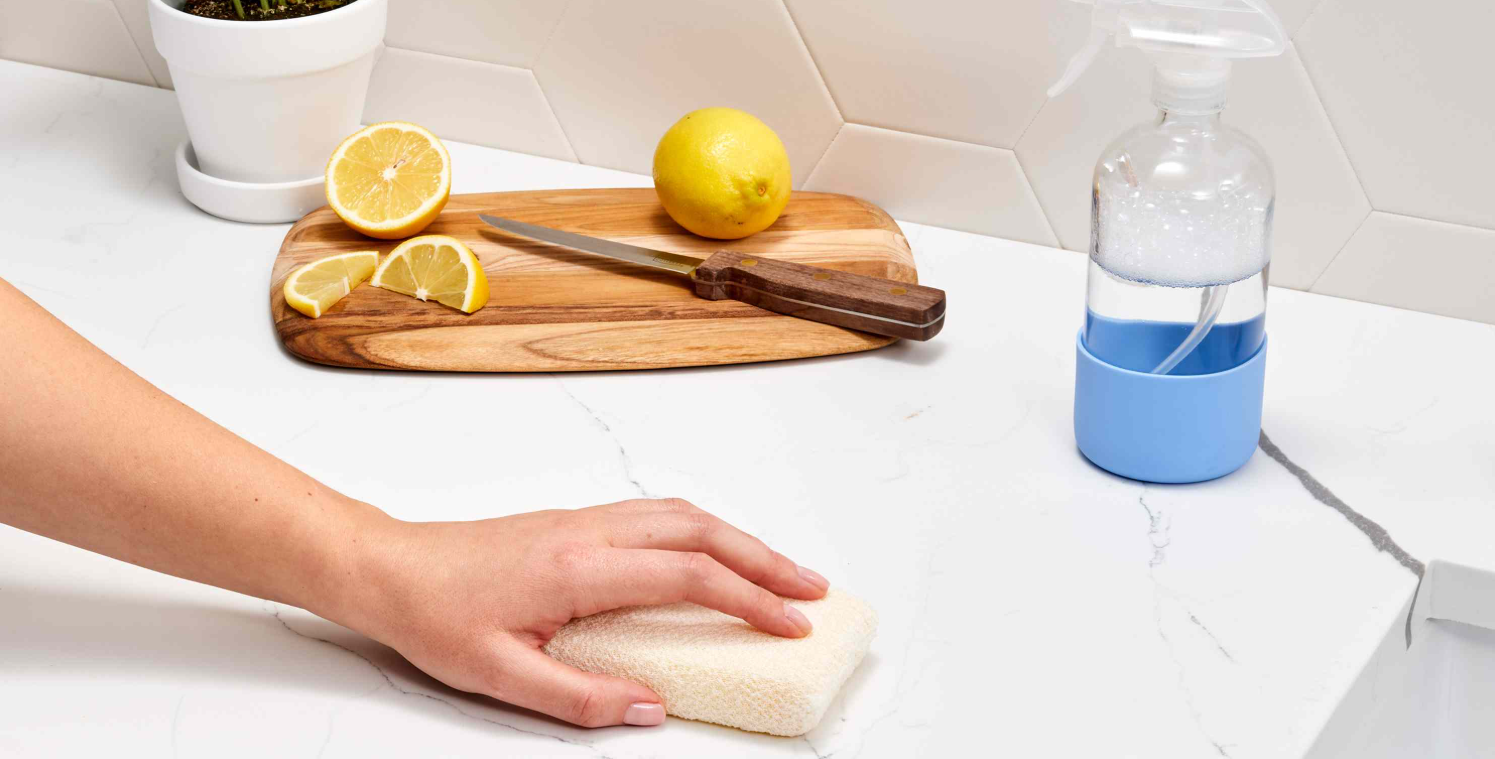
- Wipe surfaces with a soft cloth or sponge
- Use mild dish soap and warm water
- Dry with a clean towel to prevent residue
Avoid abrasive pads, which can dull the surface finish over time.
What Cleaning Products to Avoid
Certain products can permanently damage engineered stone surfaces.
Avoid:
- Bleach and chlorine-based cleaners
- Oven and grill cleaners
- Highly alkaline or acidic solutions
- Abrasive powders
Chemical damage often appears as discoloration or dull patches and is difficult to reverse.
Heat Protection and Prevention
Although quartz surfaces are heat-resistant, they are not heat-proof.
Best practices include:
- Using trivets under hot pots and pans
- Avoiding direct heat from appliances
- Never placing hot cookware directly on the surface
Thermal shock can weaken resin binders and cause discoloration.
Stain Removal Techniques
For stubborn stains:
- Use a non-abrasive surface cleaner
- Let the cleaner sit briefly before wiping
- Rinse thoroughly and dry
Oil-based stains are rare but may require repeated gentle cleaning rather than aggressive scrubbing.
Long-Term Care Habits
Engineered stone does not require sealing, but long-term performance benefits from consistent care habits:
- Clean spills promptly
- Avoid cutting directly on surfaces
- Use cutting boards and protective mats
These habits preserve both appearance and structural integrity.
Hygiene and Food Safety
The non-porous nature of engineered stone makes it highly hygienic. Regular cleaning is sufficient to maintain food safety standards, making it suitable for kitchens, bathrooms, and commercial food environments.
When Professional Help Is Needed
For deep scratches, chemical burns, or surface damage, professional restoration services may be required. DIY fixes often worsen the problem.
Final Perspective
Engineered stone surfaces offer exceptional durability when maintained correctly. Simple daily habits, proper heat protection, and chemical awareness ensure these surfaces remain functional and visually appealing for decades.
Consistent care protects your investment and extends the life of modern interior materials.
Leave a Reply