Interior surface design is an essential yet often overlooked aspect of creating captivating living and working environments. This art form encompasses the selection and treatment of the surfaces that define the look and feel of a space.
Understanding Surface Materials
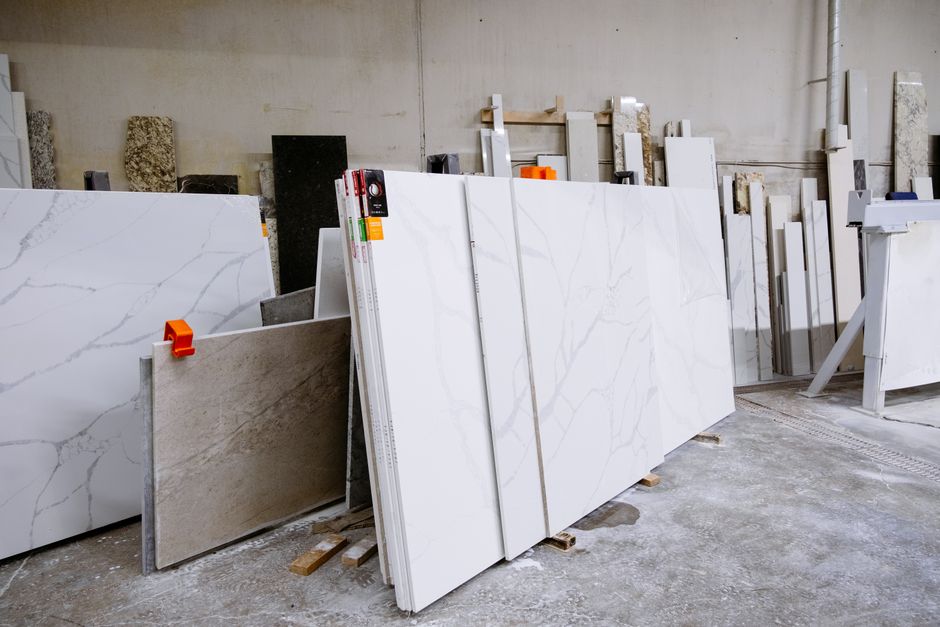
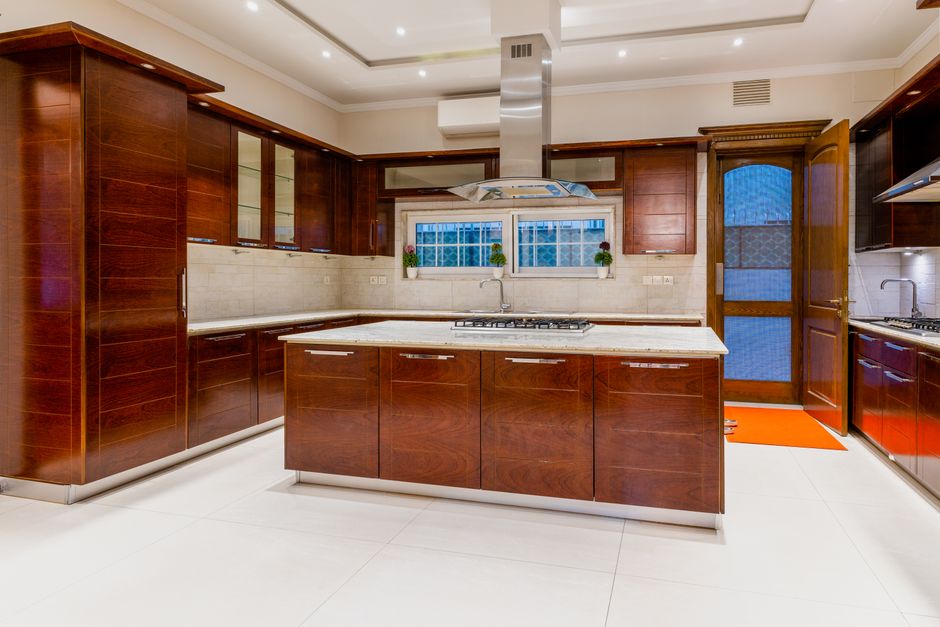
Choosing the right materials is crucial. Surfaces can range from natural stones and wood to engineered composites and metals. Each material brings distinct qualities that can influence the ambiance and durability of the interior.
The Role of Color
Color selection is pivotal in surface design, setting the tone and mood. Whether aiming for tranquility with pastel hues or vibrancy with bold colors, the right palette can transform the perception of space.
Texture's Impact
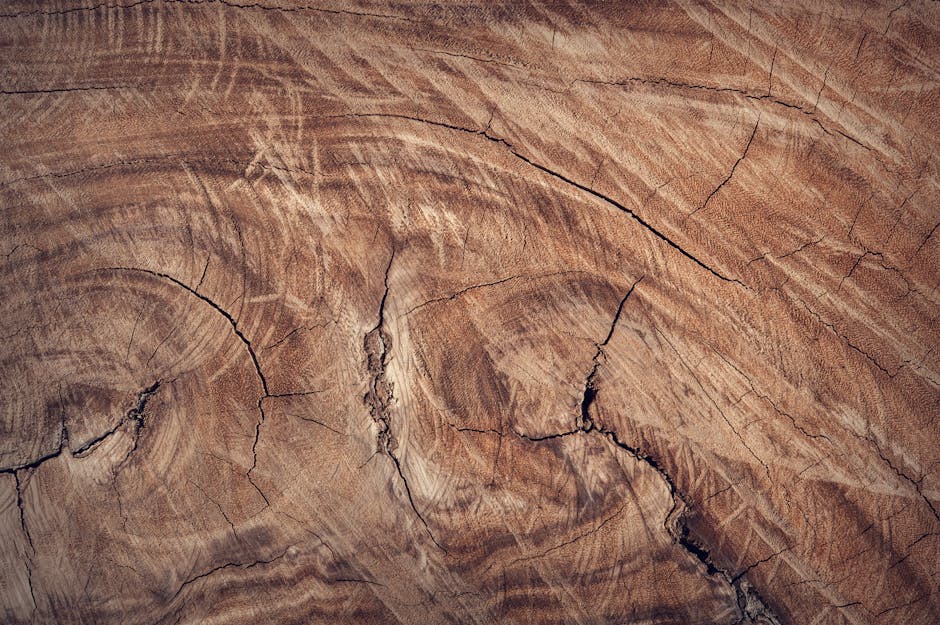
Textures add dimension and depth. Rough textures can create rustic vibes, while smooth ones evoke modernity. Balancing these can bring harmony or contrast, depending on design goals.
Lighting Considerations
Lighting dramatically affects how surfaces are perceived. Natural and artificial lighting can enhance textures, alter colors, and highlight architectural features, making strategic lighting decisions vital.
Personalization and Style
Infusing personal style into surface design is where creativity thrives. Custom finishes and innovative designs can reflect individual tastes, making each space truly unique.
In conclusion, interior surface design is a multifaceted discipline that can transform environments through careful selection of materials, colors, textures, lighting, and personal touches. Embracing these elements can bring any interior vision to life.

Leave a Reply